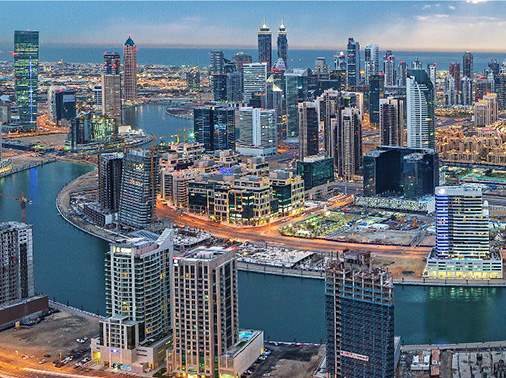
Dubai stands as a global hub for commerce and innovation, drawing entrepreneurs and established corporations alike with its strategic location, robust infrastructure, and business-friendly policies. Planning your Business formation In Dubai requires careful consideration of various factors, from selecting the right legal structure and jurisdiction to understanding the nuanced regulatory landscape. A structured approach ensures a smooth setup process, laying a strong foundation for your venture’s success in this dynamic economy. Understanding the specific requirements and opportunities is crucial for anyone looking to establish a presence here, ensuring compliance and maximizing growth potential from the outset.
Key Takeaways
- Business formation In Dubai is a multi-step process requiring strategic planning and adherence to local regulations.
- Entrepreneurs must define their business activity, choose a legal structure, and select a suitable jurisdiction (Mainland, Free Zone, or Offshore).
- Meydan Free Zone offers advantages like 100% foreign ownership, tax incentives, and streamlined setup for many business types.
- The planning phase should occur early, ideally before significant financial commitments, to identify optimal pathways.
- Key documentation includes passport copies, a business plan, and obtaining initial approvals from relevant authorities.
- Post-formation activities involve opening a corporate bank account, processing visas, and ensuring ongoing compliance with local laws and annual renewals.
- Thorough financial planning, including setup costs and operational expenses, is vital for long-term viability in Dubai.
Understanding the Appeal of Business Formation in Dubai
What is Business formation In Dubai?Business formation In Dubai refers to the comprehensive process of establishing a legal entity to operate commercial activities within the Emirate. This typically involves:
- Obtaining the necessary licenses from governmental bodies.
- Registering the business name and legal structure.
- Adhering to various regulatory compliance requirements.
- Securing permits and approvals specific to the chosen industry.
- Setting up an official physical or virtual address for operations.
Why plan Business formation In Dubai? The reasons for choosing Dubai for business establishment are compelling, rooted in its advantageous environment:
- Strategic Global Location: Positioned as a gateway between East and West, offering access to lucrative markets in the MENA region, Asia, and Africa.
- Attractive Tax Framework: Businesses often benefit from competitive tax policies, including 0% corporate tax for many activities and no personal income tax.
- World-Class Infrastructure: Boasts state-of-the-art logistics, transportation networks, communication systems, and commercial facilities.
- Pro-Business Environment: Government initiatives actively support economic growth, foster innovation, and simplify business processes.
- Diverse and Skilled Workforce: Access to a multicultural and highly skilled talent pool from around the globe.
- Economic Stability and Growth: A robust and diversified economy that offers consistent growth opportunities.
Who Should Plan a Business Formation in Dubai and When
Who should plan Business formation In Dubai? A wide array of individuals and entities find Dubai an ideal place for their ventures:
- Aspiring Entrepreneurs: Individuals with innovative ideas seeking a global platform to launch their startups.
- Small and Medium-sized Enterprises (SMEs): Businesses aiming for international expansion and increased market share.
- Large Corporations: Multinational companies looking to establish regional headquarters or expand their global footprint.
- Consultants and Freelancers: Professionals wishing to operate independently under a legitimate business structure.
- Investors: Individuals or groups seeking to capitalize on Dubai’s economic growth through various business activities.
When to plan Business formation In Dubai? The planning phase should commence at an early stage to ensure all aspects are thoroughly considered:
- During Initial Business Idea Conceptualization: As soon as a business idea takes shape, research into Dubai’s market and regulatory environment should begin.
- Before Committing Significant Capital: Planning prior to major financial investment helps in budgeting accurately and avoiding unforeseen costs.
- Upon Finalizing Market Entry Strategy: Once the decision to enter the Dubai market is firm, detailed planning for legal structures and jurisdictions becomes paramount.
- Concurrent with Business Plan Development: Integrating the formation plan directly into the overall business strategy ensures alignment and efficiency.
Choosing Your Business Location in Dubai
Where to plan Business formation In Dubai? Dubai offers distinct jurisdictional options, each with unique benefits and regulations:
- Mainland Dubai:
- Allows direct trade with the local UAE market and government entities.
- Typically requires a local sponsor or service agent for certain legal structures, though recent reforms have allowed 100% foreign ownership in many sectors.
- Regulated by the Department of Economic Development (DED).
- Free Zones:
- Special economic zones designed to promote specific industries, offering 100% foreign ownership, full repatriation of capital and profits, and often customs duty exemptions.
- Ideal for businesses focused on international trade and services.
- Examples include Jebel Ali Free Zone (JAFZA), Dubai International Financial Centre (DIFC), and Meydan Free Zone.
- Offshore Companies:
- Primarily used for international trade, asset protection, and holding companies.
- Cannot conduct business within the UAE itself and do not require a physical office in the UAE.
For entrepreneurs prioritizing full ownership, competitive setup costs, and a strategic location, Meydan Free Zone stands out as an excellent choice. It simplifies the registration process, offers a dynamic business community, and provides a wide array of business activities coupled with modern office solutions, making it a compelling option for various ventures looking for efficient Business formation In Dubai.
The “How-To” of Business Formation in Dubai: A Step-by-Step Approach
How to plan Business formation In Dubai? A systematic approach is key to successful Business formation In Dubai:
- 1. Define Your Business Activity: Clearly specify the nature of your business operations. This determines the type of license required (e.g., commercial, industrial, professional, tourism).
- 2. Select Your Legal Structure: Choose the appropriate legal entity (e.g., Sole Proprietorship, Limited Liability Company (LLC), Free Zone Establishment (FZE), Free Zone Company (FZCO)). This choice depends on ownership, liability, and business type.
- 3. Choose a Trade Name: Propose several unique trade names that adhere to UAE naming conventions. The chosen name must not be offensive, previously registered, or contradict public morals.
- 4. Pick Your Jurisdiction: Decide between Mainland, Free Zone, or Offshore, based on your business activities, target market, and ownership preferences.
- 5. Prepare Essential Documentation: Gather all required documents, typically including passport copies of shareholders/managers, Emirates IDs (if applicable), and a detailed business plan.
- 6. Apply for Initial Approval: Submit your application and documents to the relevant authority (DED for Mainland or the respective Free Zone Authority). This stage confirms that your proposed business activity and name are approved.
- 7. Secure Office Space (or Virtual Office): Fulfill the physical presence requirement, which varies by jurisdiction. This could be a traditional office, a co-working space, or a virtual office solution.
- 8. Obtain Your Business License: Once all requirements are met and fees paid, the final business license will be issued, allowing legal operation.
- 9. Open a Corporate Bank Account: This is a crucial step for managing your business finances. Requirements include the business license, company documents, and often a personal meeting.
- 10. Process Visas: Apply for investor visas for shareholders and manager visas, followed by employment visas for staff as needed.
Financial Planning and Ongoing Compliance for Dubai Businesses
How (continued – focusing on sustained operations)? Beyond the initial setup, continuous planning for financial health and compliance is vital:
- Budgeting for Setup Costs: Accurately estimate expenses for license fees, visa processing, office rent, initial capital requirements, and professional service fees.
- Understanding Operational Expenses: Account for recurring costs such as annual license renewals, utility bills, staff salaries, insurance, and marketing.
- VAT Registration and Compliance: If your business turnover exceeds the threshold, register for Value Added Tax (VAT) with the Federal Tax Authority (FTA) and ensure timely filing of returns.
- Annual License Renewal: Keep track of your license expiration date and initiate the renewal process well in advance to avoid penalties.
- Maintaining Accurate Records: Implement robust accounting practices and keep meticulous records of all financial transactions for audits and compliance.
- Adhering to Labor Laws: Familiarize yourself with UAE labor laws, including employment contracts, working hours, leave policies, and end-of-service benefits.
- Staying Informed on Regulatory Changes: The UAE business landscape can evolve, so staying updated on new laws and regulations is important.
How to Plan Business Formation in Dubai?